











Last updated: 23rd April 2026 · These packing rules apply to hiking and travel backpacks from 25–75 litre capacity.
Packing a backpack properly saves you from back pain, frustrating searches and unnecessary weight on your trek. With the 3-zone rule, clever weight distribution and a few professional tricks, your backpack becomes the perfect companion – whether for day hikes, multi-day trekking or bikepacking adventures.

The 3-Zone Rule for Weight Distribution
A perfectly packed backpack places weight as close to your back as possible and at shoulder blade height. This positions the centre of gravity optimally over your hips – your body carries efficiently, without wobbling or backward pull.
Bottom – Light & Bulky Items
Sleeping bag, down jacket, spare clothing. Soft materials as cushioning and bottom filling. You won't need these until evening.
Middle – Heavy Items Close to Back
Water bladder or bottles, stove, tent (main components), food. Directly against back padding – central centre of gravity provides relief.
Top – Quick Access Items
Waterproof jacket, first aid kit, snacks, headlamp. Must be quickly accessible on the trail – without unpacking the entire rucksack.
Outside – Frequently Used Items
Water bottle, map, sunglasses, phone. Only light items – otherwise pendulum weight affects balance while walking.
How Heavy Should My Backpack Be?
The rule of thumb for a healthy back-to-backpack ratio:
- Day trip: max. 10% of body weight (7 kg for 70 kg person)
- Multi-day trek: max. 15% of body weight (10.5 kg for 70 kg person)
- Children under 12: max. 10% – strict guideline
- Trekking with tent: 20% possible with good carrying system adjustment
Important: Proper weight distribution ensures that 70–80% of the total weight rests on your hips, not on your shoulders. More about fit in our Hiking Backpack Adjustment Guide.
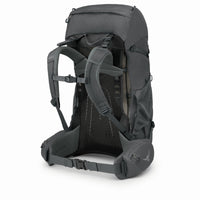
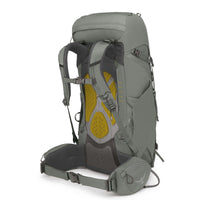
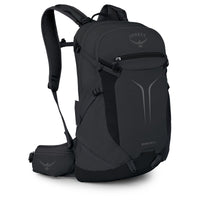
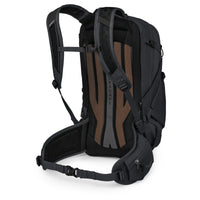
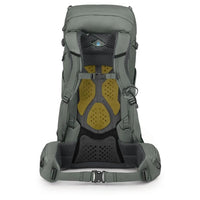
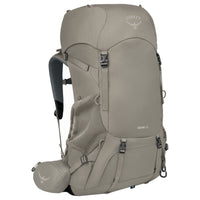
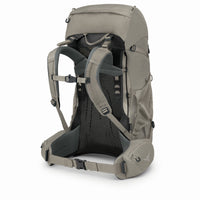
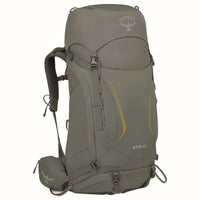
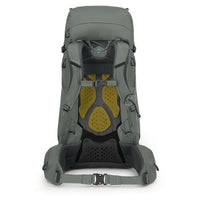
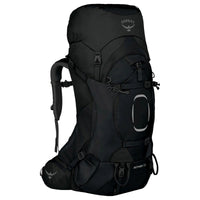
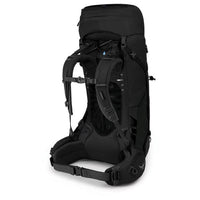
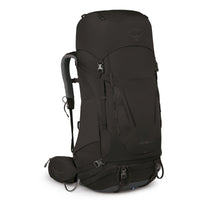
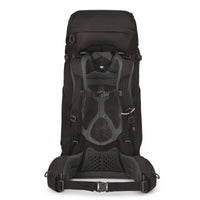
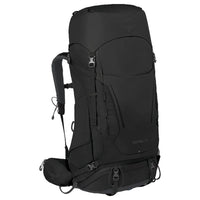
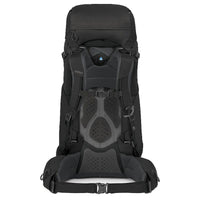
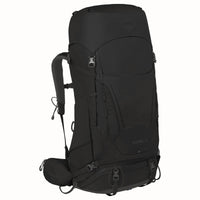
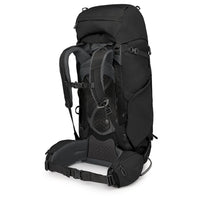
Tip: For multi-day trekking tours we recommend models like the Osprey Kestrel & Kyte with adjustable back system and 38–68 litre capacity.
What Capacity Do You Need?
Your backpack's litre capacity determines how much you can take – and how heavy it becomes. As a guide:
Snacks, waterproof jacket, water
Spare clothes, sleeping mat, stove
Tent, sleeping bag, provisions
Winter, long distances
Rolling Clothes to Save Space
Instead of folding and stacking: roll. The rolling technique saves up to 30% of space – plus fewer creases:
- Lay T-shirt flat on the ground, fold in sleeves
- Roll tightly from bottom like a carpet
- Secure roll with elastic band or in packing cubes
- Arrange rolls standing upright in backpack like logs
Save even more space: packing cubes. Separate underwear, T-shirts, socks into different cubes. No more chaos.
Our 7 Professional Tips for Smart Packing
Two-Bag Rule
Separate wet from dry. One drybag for damp items (towel, shower gel), one pack for dry items (sleeping bag). Prevents soaking through.
Reduce Weight
Every gram counts. Merino instead of cotton, Trangia instead of heavy gas stove, titanium cutlery instead of stainless steel. Details in our Ultralight Trekking Guide.
Quick Access Compartment
Snacks, sun protection, headwear in the top compartment (lid). So you don't need to open the entire backpack for a 2-minute break.
Manage Moisture
Rain cover in bad weather or weather changes. Valuables (electronics, documents) separately in drybag – even with spray from streams.
Evening Kit
What you need in the evening (sleeping bag, toiletries), pack at the bottom. So you don't unpack half your rucksack at the campsite.
Adjust Carrying System
Hip belt always on hip bone, not on waist. With packed backpack, readjust all straps – see Adjustment Guide.
Practice Packing Before Trip
Pack completely the day before and walk around your home. This reveals pressure points or missing items in good time.
Backpack Type and Intended Use
Depending on your trip, you need a different backpack. Our recommendations:
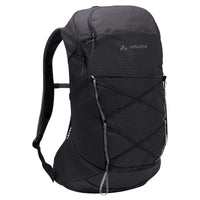
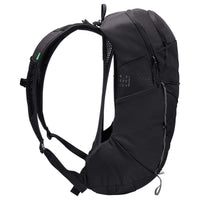
- Day and evening hikes: Hiking backpacks 20–30 L with rain cover
- Multi-day trekking: Trekking backpacks from 45 L with stable frame
- Alpine mountain tour: Alpine backpacks with ice axe attachment
- Travel with hotels: Travel backpacks with suitcase-style opening
- Bikepacking: Specialised frame/handlebar bags instead of traditional backpack
Common mistakes: Heavy items at top (tips backwards), light items in middle (centre of gravity shifts away), overloading external pockets (pendulum effect while walking), backpack too large and half-empty (shifts while walking).
Frequently Asked Questions About Packing Backpacks
Where should the heaviest items go in a backpack?
In the middle, directly against your back, at shoulder blade height. These are water, tent, stove or food. This positions the centre of gravity centrally over your hips – your body carries efficiently and you walk upright.
How heavy can my backpack be maximum?
Day trip maximum 10% of your body weight, multi-day trip up to 15%. For 70 kg body weight that's 7–10.5 kg. Children under 12 should strictly stick to 10%. For trekking tours with tents, trained hikers can carry up to 20%.
What is the 3-zone rule?
Light items (sleeping bag, clothing) at bottom – Heavy items (water, tent, stove) in middle, close to back – frequently used items (waterproof jacket, snacks) at top. This distributes weight optimally onto the hips.
Should I roll or fold clothing?
Rolling saves up to 30% space and prevents creases. Lay the T-shirt flat, fold in the sleeves and roll tightly from bottom. Secure the roll with elastic band or packing cube. Arrange standing upright in backpack.
Where should the hydration system go?
Hydration bladder in the inner compartment directly against your back (often with its own mounting). The tube goes over your shoulder, clips to the shoulder strap. Alternatively bottle in side pocket – but max. 1 litre, otherwise pendulum effect.
How do I protect electronics from moisture?
Pack laptop, camera, phone, power bank in drybag or zip-lock bags. Even with rain cover, individual drops can penetrate. Secure valuables separately.
Conclusion: Proper Packing Saves Energy and Time
A cleverly packed backpack relieves your back, makes access easier and prevents frustration on the trail. The 3-zone rule as foundation, the 10%/15% rule for maximum weight, and the 7 professional tips turn every trip into an enjoyable experience.
Find more on this topic in our guides How to Properly Adjust a Hiking Backpack, Ultralight Trekking and Bikepacking Packing List.